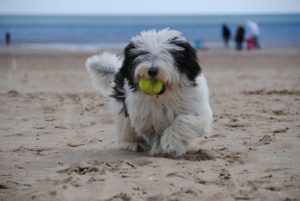
Sharing food with your dog
Bearing in mind our previous discussion on anthropomorphism, sharing food with your dog can, on occasion, be a pleasant bonding activity. To ensure this is always the case, there are a few key dos and don’ts.
DO give your dog something nutritious and safe
 There are several foods that both you and your pup can enjoy without causing either of you stomach upset. To err on the side of caution, I’d advise on produce as dogs can experience digestive upset from the seasonings and add-ons used to cook meat (seasoning only your portion after cooking is also an option of course).
Raw or cooked green beans, peas and carrot (cut up into suitable portions) can be given in small quantities (Halo for some reason LOVES raw carrot). Mashed potato or sweet potato (without any butter or salt) can also be pleasant. In fact, cooked sweet potato and pumpkin can be added to a dog’s diet to increase fibre intake.
DON’T choose human junk food/treats
 Here comes that anthropomorphism term again. The amount of people who give their dogs downright toxic foods (like chocolate or strawberry yoghurt) under the misapprehension “If I like it, my dog likes it too!” is staggering sometimes. No brief sugar hit/emotional boost is worth your dog suffering from cramps, diarrhea or nervous shock. Period.
Some notable fruits and vegetables to avoid are: grapes, raisins, onion, garlic and avocado.


DO use this as a learning opportunity for your dog

For many dogs, food is a powerful emotional force. Receiving food stimulates two brain centres, one for pleasure and another for appetitive motivation (wanting). So use your bonding moment to teach something to your dog, even if it is as simple as only giving him/her food when sitting calmly (the above picture is ‘calm’ for Halo anyway).
DON’T share food in a place/situation where you won’t want to share

A begging dog can be frustrating and tiring thing to deal with. To avoid the ‘soul gaze’ or similar behaviours at the dinner table, it’s best to only share food in a totally differing context such as chilling in the backyard. You can also use food sharing to teach alternative behaviours to begging. For example, if your dog learns that they receive food when they are at a distance from you and averting their gaze, most will be willing to gamble. Halo is doing it right now.






 E.g. “She is holding the lead, whenever she holds the lead we go outside and have adventures- YAY!”.